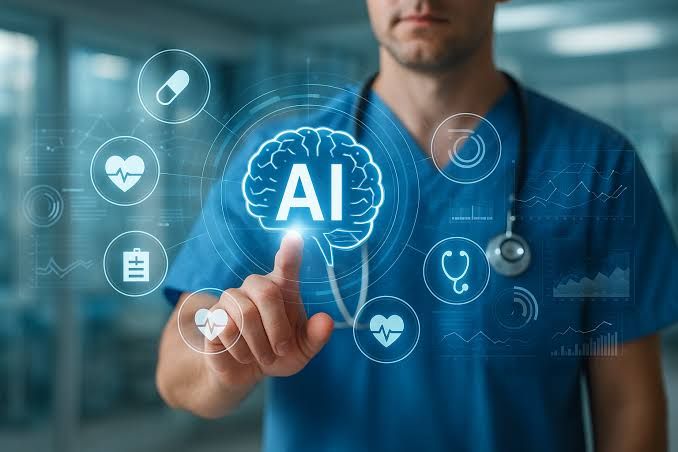
AI in Hospital Marketing: A Complete Guide
Introduction: The New Growth Engine for Hospitals
Hospitals adopting AI-driven marketing and outreach strategies are achieving 30–50% higher patient acquisition efficiency and significantly improving referral conversion rates. In today's competitive healthcare landscape, patient expectations, digital discovery, and physician referral behavior have evolved rapidly.
Traditional hospital marketing—built around manual outreach, fragmented data, and delayed follow-ups—can no longer deliver predictable growth. AI-powered hospital lead management and patient referral tracking are becoming essential capabilities for hospitals seeking to increase patient volume, strengthen referral networks, and improve marketing ROI.
This guide explains how AI is transforming hospital marketing, provides a practical implementation framework, and outlines how healthcare leaders can achieve measurable business outcomes using intelligent systems.
The Core Problem: Why Hospital Marketing Struggles Today
Most hospitals face systemic challenges that make patient acquisition difficult to scale.
1. Fragmented Patient and Referral Data
Patient information is often distributed across multiple systems:
- Call centers
- CRM platforms
- Outreach teams
- Referral coordinators
- Electronic Health Records (EHR)
- Marketing automation tools
This fragmentation results in:
- Lost referral opportunities
- Delayed patient responses
- Poor conversion tracking
- Incomplete marketing attribution
Without unified patient referral tracking, sustainable growth becomes difficult.
2. Slow Lead Response Times
Patient conversion rates decline rapidly when response times exceed 15 minutes.
However, many hospitals still:
- Respond after 24–48 hours
- Assign leads manually
- Lack automated follow-up workflows
- Miss high-value patient inquiries
Poor hospital lead management directly impacts patient acquisition and revenue.
3. Limited Visibility into the Hospital Sales Pipeline
Hospital leaders often lack answers to important questions such as:
- Which referral sources generate the most revenue?
- Which marketing channels deliver the best ROI?
- Which physician networks perform best?
- What is the true patient acquisition cost?
Without actionable analytics, marketing decisions rely on assumptions rather than data.
4. Inefficient Referral Relationship Management
Doctor referral networks generate 60–80% of hospital revenue across many specialties.
Despite their importance, hospitals often struggle with:
- Tracking referral patterns
- Managing physician relationships
- Measuring referral leakage
- Identifying inactive referral partners
This results in declining referral volume and missed growth opportunities.
Why Traditional Hospital Marketing Solutions Fall Short
Many hospitals invest in CRM platforms or marketing software yet fail to achieve sustainable growth.
Common Challenges
| Problem | Why It Happens | |----------|----------------| | Generic CRM systems | Designed for retail and sales, not healthcare workflows | | Manual data entry | Causes delays and increases errors | | No predictive intelligence | Cannot identify or prioritize high-value patients | | Limited referral analytics | Prevents optimization of physician networks | | Disconnected systems | No unified patient journey visibility |
Traditional systems primarily store information.
AI-powered systems analyze data, generate insights, and automate decisions.
That distinction fundamentally changes marketing performance.
The AI Framework for Hospital Marketing Growth
Hospitals can successfully adopt AI using a structured five-stage framework.
Step 1: Intelligent Hospital Lead Management
AI automatically captures patient inquiries from:
- Website forms
- Call centers
- WhatsApp and chat platforms
- Physician referrals
- Marketing campaigns
AI evaluates and prioritizes leads using factors such as:
- Treatment requirements
- Medical urgency
- Insurance coverage
- Conversion probability
- Previous patient history
Outcomes
- Faster response times
- Higher conversion rates
- Optimized patient acquisition workflows
Step 2: Automated Patient Referral Tracking
AI-powered referral management provides:
- Real-time referral monitoring
- Physician performance analytics
- Referral leakage alerts
- End-to-end patient journey tracking
Hospitals implementing structured referral intelligence often achieve:
- 25–40% higher referral conversion
- Stronger physician engagement
- Better-targeted outreach programs
Step 3: Predictive Patient Acquisition
AI analyzes:
- Patient demographics
- Disease and treatment demand
- Geographic trends
- Seasonal variations
- Marketing campaign performance
This enables hospitals to predict:
- Future patient volume
- High-demand specialties
- Expansion opportunities
- Optimal campaign timing
Marketing shifts from reactive execution to proactive planning.
Step 4: AI-Powered Patient Engagement
AI enhances patient experience through:
- Automated appointment reminders
- Treatment follow-up communication
- Personalized messaging
- Intelligent chatbot support
- Post-discharge engagement
Benefits
- Higher patient satisfaction
- Reduced no-show rates
- Increased patient lifetime value
Step 5: Marketing ROI Optimization
AI continuously optimizes:
- Campaign targeting
- Marketing channel performance
- Referral partnerships
- Patient acquisition cost
- Conversion pathways
This enables hospital leaders to execute measurable, data-driven growth strategies.
Real-World Implementation Scenarios
Scenario 1: Multi-Specialty Hospital Improving Referral Volume
A multi-specialty hospital implemented AI-driven referral tracking to monitor physician performance and referral networks.
Results
- 35% increase in referral conversion
- Identification of the top 20% highest-performing physicians
- Automated referral follow-up workflows
- Reduced referral leakage
Scenario 2: Cardiology Center Improving Lead Conversion
A specialty cardiology center deployed AI-based hospital lead management.
Results
- Response time reduced from 12 hours to 5 minutes
- 28% increase in patient conversion
- Improved appointment scheduling efficiency
Scenario 3: Regional Hospital Optimizing Marketing Spend
AI analytics identified underperforming marketing channels and recommended budget reallocation.
Results
- 40% reduction in patient acquisition cost
- Improved campaign ROI visibility
- More predictable patient volume growth
Healthcare growth platforms such as Param enable hospitals to implement these capabilities without major infrastructure investments.
Expert Insights: What High-Growth Hospitals Do Differently
Successful hospitals consistently apply three key principles.
1. They Treat Patient Acquisition as a Revenue Function
Instead of viewing marketing as a support activity, leading hospitals manage it like a sales pipeline.
They monitor:
- Lead scoring
- Conversion tracking
- Performance dashboards
- Revenue attribution
2. They Invest in Referral Intelligence
High-performing hospitals continuously monitor:
- Referring physician activity
- Specialty demand trends
- Partner engagement
- Referral performance
AI helps strengthen physician relationships through consistent, data-driven engagement.
3. They Build Unified Patient Data Systems
Leading hospitals integrate:
- CRM
- Referral management
- Outreach platforms
- Marketing analytics
Unified data enables faster, more accurate decision-making.
AI Implementation Checklist
Hospital leaders can use the following checklist to evaluate AI readiness.
Strategy
- ✅ Define patient growth objectives
- ✅ Identify key referral channels
- ✅ Audit current marketing workflows
Technology
- ✅ Implement a healthcare-specific CRM
- ✅ Automate hospital lead management
- ✅ Deploy referral tracking tools
- ✅ Integrate existing hospital systems
Data & Analytics
- ✅ Centralize patient data
- ✅ Track referral source performance
- ✅ Measure conversion metrics
- ✅ Build executive marketing dashboards
Process Optimization
- ✅ Automate lead response workflows
- ✅ Standardize referral follow-ups
- ✅ Strengthen physician engagement programs
Performance Monitoring
Track:
- Patient acquisition cost
- Referral conversion rate
- Marketing ROI
- Campaign performance
- Patient volume growth
Future Trends: AI Will Redefine Hospital Growth
The next decade will fundamentally reshape hospital marketing.
1. Hyper-Personalized Patient Journeys
AI will deliver individualized communication based on patient behavior, medical history, and treatment needs.
2. Autonomous Marketing Systems
Future AI platforms will automatically:
- Manage campaigns
- Allocate budgets
- Optimize targeting
- Recommend growth strategies
3. Voice and Conversational AI
Patients will increasingly interact with hospitals through AI assistants for:
- Appointment booking
- Information requests
- Consultation scheduling
- Treatment reminders
4. Predictive Referral Networks
AI will forecast:
- Which physicians are most likely to refer patients
- High-value referral opportunities
- Emerging specialty demand
5. AI-Powered Hospital Growth Platforms
Integrated platforms combining:
- CRM
- Referral management
- Marketing automation
- Business intelligence
- Patient engagement
will become the standard operating model for healthcare organizations.
Solutions like Param are already helping hospitals transition toward this integrated approach.
Hospitals that adopt AI early will gain a significant competitive advantage.
Conclusion: AI Is Becoming Core Hospital Infrastructure
Artificial intelligence is no longer an emerging technology in healthcare marketing—it is becoming foundational infrastructure for patient acquisition, referral growth, and revenue optimization.
Hospitals implementing structured lead management and intelligent referral tracking gain:
- Predictable patient growth
- Higher conversion rates
- Stronger physician referral networks
- Measurable marketing ROI
- Better operational efficiency
The competitive gap between AI-enabled hospitals and traditional organizations will continue to widen.
Healthcare providers that build intelligent growth systems today will define tomorrow's market leaders.
Frequently Asked Questions (FAQs)
1. What is hospital lead management?
Hospital lead management is the process of capturing, tracking, prioritizing, and converting patient inquiries into appointments or treatments using structured workflows, automation, and analytics.
2. What is patient referral tracking?
Patient referral tracking follows referred patients throughout their care journey—from physician referral to treatment completion—helping hospitals optimize referral networks and improve conversion.
3. How does AI improve hospital marketing ROI?
AI improves ROI by:
- Prioritizing high-value leads
- Predicting patient demand
- Automating communication
- Optimizing marketing campaigns
- Reducing patient acquisition costs
4. Is AI implementation expensive for hospitals?
Modern healthcare technology platforms provide scalable AI capabilities that reduce infrastructure costs while delivering faster implementation and measurable returns compared to traditional systems.
5. What is the best referral system for hospitals?
The most effective referral systems integrate:
- CRM
- Referral management
- Physician relationship management
- Marketing analytics
- Automated patient tracking
into a single unified platform that provides complete visibility across the patient journey.
Calls to Action
Soft CTA
Hospitals exploring AI-driven growth strategies should evaluate healthcare-specific referral and lead management platforms to understand their potential impact on patient acquisition, referral conversion, and marketing ROI.
Continue reading
Related articles
 Hospital-Management
Healthcare CRM vs Generic CRM: Which Is Better?
Compare healthcare CRM vs generic CRM for patient acquisition in hospitals. Learn how the right CRM drives referrals, hospital growth strategy, and lead management.
Read article Hospital-Management
Digital Transformation Roadmap for Hospitals
Discover a step-by-step digital transformation roadmap for hospitals using hospital CRM and referral systems to improve patient acquisition, referral tracking, and revenue growth.
Read article Hospital-Management
Best Software for Hospital Outreach Management
Discover the best software for hospital outreach management, including medical referral systems and doctor referral networks. Learn features, frameworks, and strategies to increase referral conversion rates and hospital growth.
Read article