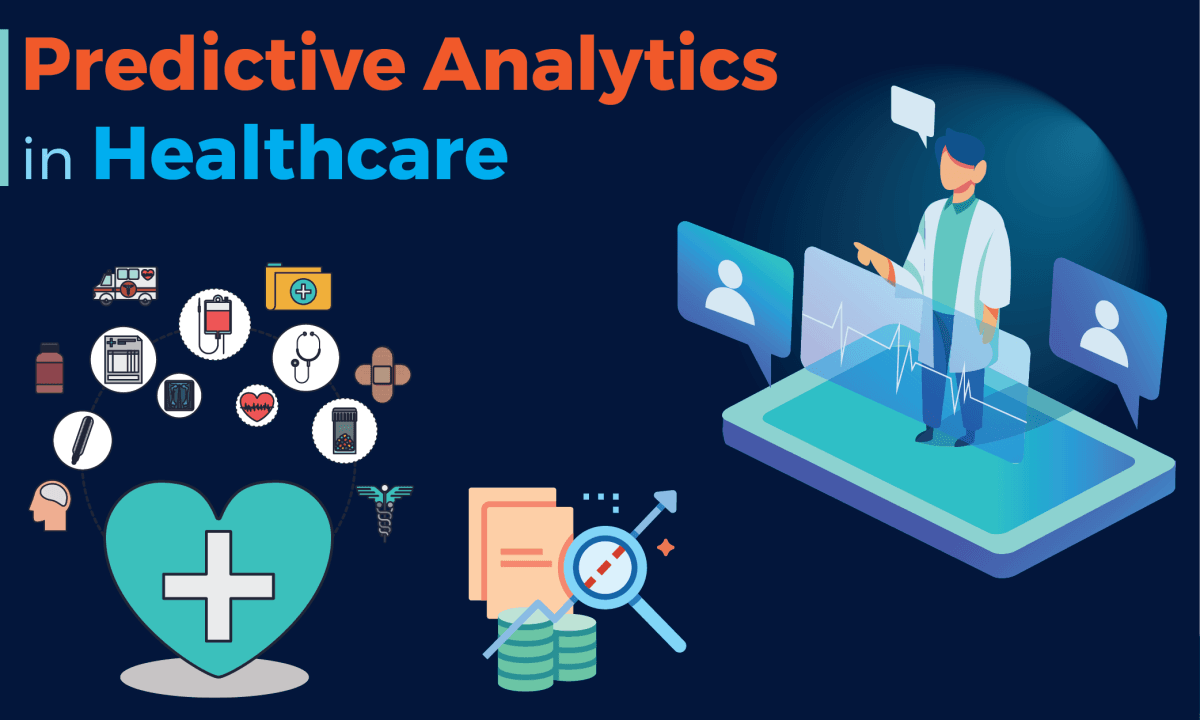
How Predictive Analytics Helps Hospitals Grow
Introduction: Turning Hospital Data into Growth
Hospitals generate enormous amounts of data every day—from patient visits and referral patterns to treatment outcomes, marketing campaigns, and operational workflows. Yet, many healthcare organizations use less than 20% of their available data to support strategic decision-making, leaving significant opportunities for growth untapped.
Predictive analytics is changing that.
By combining historical data with artificial intelligence (AI), a structured doctor referral network, and a modern medical referral system, hospitals can forecast patient demand, optimize outreach strategies, improve referral conversion, and make smarter business decisions.
This guide explains how predictive analytics supports hospital growth, why traditional approaches fall short, and how healthcare leaders can implement a practical framework for increasing patient acquisition, referral performance, and operational efficiency.
The Growth Challenges Hospitals Face Today
Hospital growth depends on a combination of patient acquisition, physician referrals, operational efficiency, and patient retention. However, many healthcare organizations face recurring challenges that limit sustainable growth.
1. Unpredictable Patient Volume
Hospitals often struggle with:
- Seasonal fluctuations in demand
- Inconsistent referral patterns
- Limited visibility into future patient volume
- Capacity planning challenges
Without forecasting, staffing and resource allocation become reactive.
2. Fragmented Referral Ecosystem
Referral management is often hindered by:
- Manual tracking of referring physicians
- Limited visibility into referral conversion
- Weak physician relationship management
- Missed referral opportunities
These issues reduce referral-driven revenue.
3. Inefficient Hospital Marketing
Many marketing teams experience:
- Campaigns disconnected from patient outcomes
- Limited attribution tracking
- Poor ROI measurement
- Generic outreach instead of targeted engagement
Marketing investments become difficult to optimize.
4. Data Silos Across Systems
Hospital information frequently exists in separate platforms such as:
- Electronic Health Records (EHR)
- CRM systems
- Marketing platforms
- Referral management tools
Without integration, hospitals cannot build a complete patient journey.
5. Slow Decision-Making
Many organizations continue to rely on:
- Historical reports
- Manual analysis
- Reactive planning
- Limited forecasting
Without predictive intelligence, hospitals respond to trends after they occur instead of anticipating them.
Why Traditional Solutions Fall Short
Most hospitals already use reporting dashboards, spreadsheets, or CRM software. However, these systems primarily describe past performance rather than predicting future outcomes.
Traditional Approaches vs Predictive Analytics
| Traditional Approach | Limitation | Business Impact | |----------------------|------------|-----------------| | Basic CRM reporting | Descriptive rather than predictive | Cannot forecast growth | | Manual referral tracking | Human error and delays | Lost referrals | | Marketing analytics | Limited channel insights | No patient journey visibility | | Historical dashboards | Backward-looking | Reactive decisions | | Department-level reporting | No cross-functional intelligence | Fragmented strategy |
Traditional systems answer questions such as:
- What happened?
- How many patients visited?
- Which campaign performed best?
Predictive analytics answers more strategic questions:
- Which patients are most likely to convert?
- Which physicians are likely to refer next?
- Which marketing investments will generate the highest return?
- Where should the hospital expand?
This shift from reactive reporting to proactive forecasting creates measurable business value.
A Five-Step Framework for Using Predictive Analytics
Hospitals can implement predictive intelligence through a structured approach that combines clinical, operational, marketing, and referral data.
Step 1: Build a Unified Data Foundation
Accurate predictions begin with integrated data.
Essential Data Sources
- Patient demographics
- Referral sources
- Treatment outcomes
- Marketing performance
- Appointment scheduling
- Conversion rates
- Physician engagement history
A modern medical referral system should connect:
- Electronic Health Records (EHR)
- Hospital CRM
- Referral workflows
- Marketing platforms
- Outreach management systems
A unified data foundation enables reliable forecasting and business intelligence.
Step 2: Forecast Patient Demand
Predictive models analyze:
- Disease trends
- Seasonal demand
- Geographic patient clusters
- Specialty utilization
Hospitals can forecast:
- Department-specific patient volume
- Demand for procedures
- Staffing requirements
- Bed occupancy
- Resource allocation
Business Benefits
- Reduced waiting times
- Higher capacity utilization
- Improved patient experience
- Better financial planning
Step 3: Optimize the Doctor Referral Network
In many multi-specialty hospitals, physician referrals account for 60–80% of patient admissions.
Predictive analytics helps hospitals:
- Identify high-value referring physicians
- Forecast referral likelihood
- Detect declining referral activity
- Prioritize outreach efforts
- Map referral influence networks
Example Insights
- Top physicians likely to refer next quarter
- Specialties experiencing referral growth
- Geographic regions with untapped referral potential
These insights allow outreach teams to focus on relationships with the greatest growth potential.
Step 4: Improve Patient Referral Tracking and Conversion
Predictive systems monitor every stage of the referral journey:
- Referral received
- Appointment scheduled
- Consultation completed
- Treatment delivered
- Follow-up engagement
Hospitals can predict:
- Referral leakage
- Patient no-show probability
- Conversion likelihood
- Patient lifetime value
Operational Improvements
- Automated follow-up reminders
- Priority scheduling
- Personalized communication
- Intelligent conversion workflows
Step 5: Enable Data-Driven Marketing
Predictive analytics links marketing investments directly to patient acquisition outcomes.
Key Capabilities
- Campaign ROI forecasting
- Patient segmentation
- Channel performance prediction
- Audience targeting
- Growth opportunity analysis
Marketing teams can replace broad campaigns with highly targeted patient acquisition strategies.
Real-World Growth Scenarios
Scenario 1: Multi-Specialty Hospital Improving Referral Conversion
A 300-bed hospital experienced strong physician relationships but low referral conversion.
Predictive Analytics Identified
- 35% referral drop-off during scheduling
- Patients with high no-show probability
- Opportunities for automated follow-up
Results
- 22% increase in referral conversion
- 15% growth in patient volume
- Reduced scheduling delays
Scenario 2: Regional Hospital Optimizing Service Demand
A regional hospital struggled with unpredictable demand in cardiology services.
Predictive Models
- Forecasted seasonal demand
- Identified geographic referral clusters
- Improved capacity planning
Results
- 18% increase in service utilization
- 30% reduction in patient wait times
- Improved revenue predictability
Scenario 3: Outreach Team Strengthening Physician Engagement
Hospital outreach managers needed a better way to prioritize physician visits.
Predictive Insights
- Ranked physicians by referral potential
- Flagged declining engagement
- Recommended outreach schedules
Results
- 40% improvement in outreach productivity
- Stronger physician relationships
- More consistent referral volume
Integrated hospital growth platforms such as Param demonstrate how predictive analytics and referral intelligence can support these outcomes at scale.
Expert Insights: What High-Growth Hospitals Do Differently
Hospitals achieving sustainable growth share several common practices.
1. They Manage Referrals Like a Sales Pipeline
They:
- Track referral lifecycle stages
- Measure conversion performance
- Forecast referral pipeline health
2. They Invest in Relationship Intelligence
Leading hospitals:
- Understand physician referral behavior
- Monitor engagement patterns
- Prioritize high-value relationships
3. They Automate Operational Decisions
Automation supports:
- Appointment scheduling
- Follow-up communication
- Physician outreach
- Resource planning
4. They Integrate Marketing, Operations, and Clinical Data
Growth accelerates when information flows seamlessly across departments.
5. They Measure Predictive KPIs
Important metrics include:
- Referral growth rate
- Conversion probability
- Patient lifetime value
- Referral source performance
Predictive Analytics Implementation Checklist
Data Readiness
- ✅ Integrate EHR, CRM, and referral systems
- ✅ Standardize data formats
- ✅ Enable real-time data collection
- ✅ Establish data governance
Referral Intelligence
- ✅ Map physician referral networks
- ✅ Track referral lifecycle
- ✅ Monitor referral conversion
- ✅ Identify referral leakage
Predictive Modeling
- ✅ Forecast patient demand
- ✅ Predict patient behavior
- ✅ Estimate marketing ROI
- ✅ Forecast service utilization
Operational Execution
- ✅ Automate follow-up workflows
- ✅ Optimize scheduling
- ✅ Prioritize physician outreach
- ✅ Align marketing and business development teams
Performance Measurement
- ✅ Monitor predictive accuracy
- ✅ Track business growth KPIs
- ✅ Continuously refine predictive models
Future Trends in Predictive Healthcare Growth
Predictive analytics continues to evolve rapidly.
1. AI-Powered Referral Intelligence
AI will automatically identify physician engagement opportunities and referral growth potential.
2. Real-Time Decision Support
Hospitals will receive live recommendations for:
- Outreach timing
- Capacity allocation
- Patient engagement
- Resource optimization
3. Personalized Patient Acquisition
Advanced segmentation will enable highly personalized healthcare marketing campaigns.
4. Predictive Population Health
Hospitals will identify high-risk patients before conditions worsen, improving preventive care and resource planning.
5. Integrated Hospital Growth Platforms
Future platforms will combine:
- Hospital CRM
- Referral management
- Marketing analytics
- Predictive intelligence
- Outreach automation
Organizations adopting these technologies early will gain a significant competitive advantage.
Why Predictive Analytics Is Becoming Essential
Hospital growth is no longer driven solely by expanding infrastructure—it is driven by intelligence.
Hospitals that understand:
- Which physicians will refer
- Which patients are most likely to convert
- Where demand is increasing
- How to optimize engagement
will consistently outperform competitors.
Predictive analytics transforms hospital operations from reactive management into proactive growth strategies, improving patient acquisition, referral conversion, operational efficiency, and financial performance.
Platforms that combine predictive analytics with physician relationship management and structured referral systems help hospitals achieve these outcomes faster and more effectively.
Conclusion: The Future of Hospital Growth Is Predictive
Hospital growth is increasingly becoming a data-driven discipline.
Predictive analytics enables healthcare leaders to move beyond intuition by forecasting patient demand, optimizing referral relationships, improving marketing effectiveness, and increasing operational efficiency.
Hospitals investing in predictive intelligence today will shape the competitive healthcare landscape of tomorrow.
If your organization aims to strengthen referral performance, optimize patient referral tracking, and build a scalable growth strategy, predictive analytics is no longer optional—it is becoming a foundational capability.
Frequently Asked Questions (FAQs)
1. How does predictive analytics improve a doctor referral network?
Predictive analytics evaluates referral patterns, physician behavior, and patient conversion data to identify high-value referral partners, forecast referral demand, and prioritize outreach activities.
2. What data is needed for predictive hospital growth?
Hospitals should integrate:
- Patient demographics
- Referral data
- Treatment outcomes
- Marketing performance
- Scheduling information
- CRM data
- Physician engagement history
3. Is predictive analytics only useful for large hospitals?
No. Small and mid-sized hospitals often realize significant benefits through better resource allocation, improved referral conversion, and more efficient patient acquisition.
4. How does a medical referral system support predictive analytics?
A medical referral system centralizes referral data, tracks patient journeys, and provides structured information that predictive models use to forecast growth opportunities and optimize operations.
5. How long does implementation take?
Most hospitals can implement foundational predictive analytics capabilities within 3–6 months, depending on their existing data infrastructure and integration readiness.
Calls to Action
Soft CTA
Hospitals exploring data-driven growth strategies can evaluate predictive analytics platforms that combine referral intelligence, physician relationship management, and patient acquisition analytics to improve long-term performance.
Strong CTA
Ready to make hospital growth predictable?
Discover how Param's Predictive Hospital Growth Platform combines referral intelligence, analytics, CRM, and outreach automation to help hospitals increase patient acquisition, strengthen physician networks, and accelerate sustainable revenue growth.
Additional CTA Ideas
- Request a demo of Param's Predictive Analytics Platform
- Download the Hospital Predictive Analytics Readiness Checklist
- Book a Referral Intelligence Assessment
- Compare your referral conversion performance with industry benchmarks
Continue reading
Related articles
 Hospital-Management
Healthcare CRM vs Generic CRM: Which Is Better?
Compare healthcare CRM vs generic CRM for patient acquisition in hospitals. Learn how the right CRM drives referrals, hospital growth strategy, and lead management.
Read article Hospital-Management
Digital Transformation Roadmap for Hospitals
Discover a step-by-step digital transformation roadmap for hospitals using hospital CRM and referral systems to improve patient acquisition, referral tracking, and revenue growth.
Read article Hospital-Management
Best Software for Hospital Outreach Management
Discover the best software for hospital outreach management, including medical referral systems and doctor referral networks. Learn features, frameworks, and strategies to increase referral conversion rates and hospital growth.
Read article