

Why Hospitals Need a Referral Intelligence Platform
Introduction: The Hidden Growth Engine Hospitals Are Ignoring
Studies show that 60–75% of hospital revenue is influenced by physician referrals, yet many hospitals still manage referral patient flows using spreadsheets, disconnected CRM tools, or manual processes. This creates a major blind spot in hospital growth strategy.
As competition intensifies and patient acquisition costs continue to rise, hospitals must move beyond passive referral tracking toward referral intelligence—a data-driven approach to managing, analyzing, and optimizing referral networks.
A Referral Intelligence Platform gives hospitals complete visibility into referral sources, conversion rates, patient journey gaps, and physician relationship performance. This enables predictable patient volume growth, stronger referral networks, and more effective hospital growth strategies.
This guide explains why hospitals need referral intelligence, where traditional approaches fail, and how a structured referral management platform can drive measurable growth.
The Problem: Major Referral Management Challenges Hospitals Face
Although referrals are one of the largest drivers of hospital revenue, most organizations struggle with operational inefficiencies that directly impact patient acquisition and financial performance.
1. Lack of Referral Visibility
Many hospitals cannot answer critical questions such as:
- Which doctors send the highest-value patients?
- Which referral sources generate the best conversions?
- Where do referral patients drop off?
- Which departments convert referrals most effectively?
- How long does referral processing take?
Without visibility, growth decisions become based on assumptions instead of data.
2. Fragmented Patient and Referral Data
Referral information is often scattered across multiple systems:
- Electronic Medical Records (EMR)
- Call logs
- Spreadsheets
- Email communication
- Basic CRM platforms
This fragmentation prevents complete patient journey tracking and accurate referral attribution.
3. Weak Doctor Relationship Management
Many hospitals struggle to:
- Track physician engagement
- Monitor referral patterns
- Identify inactive referral sources
- Personalize outreach to referring doctors
As a result, referral loyalty gradually declines.
4. Poor Referral Conversion Rates
Common referral leakage points include:
- Delayed appointment scheduling
- Missed patient follow-ups
- Manual processing errors
- Communication gaps between departments
Even losing 10% of referral patients can significantly impact hospital revenue.
5. Unpredictable Patient Volume
Without referral analytics, hospitals cannot accurately forecast:
- Patient demand
- Referral trends
- Department capacity
- Outreach priorities
The result is slower growth, higher acquisition costs, and missed revenue opportunities.
Why Current Solutions Fall Short
Many hospitals believe their existing systems are sufficient. However, traditional tools were never designed to provide referral intelligence.
Traditional Systems vs Referral Intelligence Platform
| Capability | Traditional CRM | EMR System | Referral Intelligence Platform | |------------|-----------------|------------|--------------------------------| | Referral tracking | Limited | Minimal | Comprehensive | | Referral source analytics | ❌ No | ❌ No | ✅ Yes | | Doctor relationship management | Partial | ❌ No | ✅ Yes | | Referral conversion tracking | ❌ No | ❌ No | ✅ Yes | | Patient journey visibility | Partial | Limited | End-to-end | | Growth forecasting | ❌ No | ❌ No | ✅ Yes |
Limitations of Existing Approaches
Generic CRM Platforms
- Built for sales pipelines rather than healthcare referrals
- Lack referral attribution models
- Limited patient journey tracking
EMR Systems
- Focus primarily on clinical documentation
- Provide little or no referral performance insight
- Offer limited growth analytics
Manual Tracking
- Error-prone
- Difficult to scale
- No predictive capabilities
- Time-consuming reporting
Hospitals need technology specifically designed for referral growth and physician network optimization.
A Step-by-Step Referral Intelligence Framework
Implementing referral intelligence requires a structured approach.
Step 1: Centralize Referral Data
Create a single source of truth by integrating:
- Referral sources
- Patient intake information
- Appointment outcomes
- Department performance
- Physician engagement history
Benefits
- Eliminates data silos
- Improves reporting accuracy
- Creates organization-wide visibility
Step 2: Track the Complete Referral Patient Journey
Monitor every stage of the referral lifecycle:
- Referral received
- Patient contacted
- Appointment scheduled
- Treatment completed
- Follow-up completed
Key Metrics
- Referral conversion rate
- Time to appointment
- Referral drop-off rate
- Revenue per referral
- Referral cycle length
Step 3: Strengthen Doctor Relationship Management
Segment referring physicians based on:
- Referral volume
- Patient quality
- Specialty alignment
- Engagement level
This enables personalized outreach and stronger long-term physician partnerships.
Step 4: Identify Growth Opportunities with Analytics
Referral intelligence helps identify:
- High-performing referral channels
- Underperforming specialties
- Geographic growth opportunities
- Referral leakage points
This transforms hospital marketing from reactive to predictive.
Step 5: Automate Referral Marketing and Outreach
Automation enables hospitals to:
- Send follow-up reminders
- Share referral status updates
- Run physician engagement campaigns
- Generate automated performance reports
Automation reduces manual workload while improving conversion and accountability.
Real-World Scenarios: How Referral Intelligence Drives Growth
Scenario 1: Recovering Lost Referral Revenue
A multi-specialty hospital discovers through referral analytics that 18% of referral patients never schedule appointments because of delayed follow-ups.
After implementing automated referral workflows:
- Referral conversion increases by 22%
- Patient volume grows within six months
- Revenue per referral improves
Scenario 2: Strengthening Doctor Referral Networks
Referral intelligence reveals that 30% of referring physicians have become inactive.
After implementing structured physician relationship management:
- Physician engagement increases
- Referral frequency improves
- Outreach efficiency doubles
Scenario 3: Data-Driven Expansion Planning
Referral analytics identifies high-demand specialties in a specific geographic region.
Using these insights, the hospital launches a new specialty service, achieving faster return on investment while reducing expansion risk.
Where Platforms Like Param Fit
Modern hospital growth platforms such as Param help organizations:
- Track complete referral patient journeys
- Improve doctor relationship management
- Monitor referral conversion performance
- Support patient volume growth strategies
- Deliver actionable referral intelligence
Rather than simply recording referrals, these platforms provide insights that drive measurable business growth.
Expert Insights: What High-Growth Hospitals Do Differently
High-performing hospitals treat referrals as a strategic growth channel—not simply an administrative process.
Best Practices
They:
- Measure referral conversion every week
- Maintain structured physician engagement programs
- Use predictive analytics to forecast patient demand
- Track referral revenue by department
- Continuously optimize outreach using performance data
Strategic Insight
Hospitals that operationalize referral intelligence grow faster because they proactively manage patient inflow instead of reacting to it.
Referral Intelligence Checklist
Use this checklist to evaluate your hospital's readiness.
Referral Infrastructure
- ✅ Centralized referral tracking
- ✅ Standardized referral workflow
- ✅ Automated patient follow-up
- ✅ Referral conversion dashboard
Doctor Relationship Management
- ✅ Physician segmentation
- ✅ Engagement tracking
- ✅ Referral performance monitoring
- ✅ Structured outreach program
Analytics Capability
- ✅ Referral source attribution
- ✅ Patient journey analytics
- ✅ Growth forecasting
- ✅ Revenue tracking by referral
Process Optimization
- ✅ Time-to-appointment monitoring
- ✅ Referral leakage tracking
- ✅ Automated performance reporting
> If several items remain unchecked, your hospital is likely missing referral opportunities that directly impact revenue.
Future Trends in Referral Intelligence
Referral management is evolving rapidly as hospitals adopt data-driven growth strategies.
1. Predictive Referral Analytics
Artificial Intelligence will forecast:
- Patient demand
- Referral trends
- Specialty growth opportunities
- High-value referral sources
2. Integrated Growth Platforms
Future hospital platforms will combine:
- CRM
- Referral management
- Marketing automation
- Patient engagement
- Business intelligence
3. Network-Based Healthcare Growth
Hospitals will increasingly compete based on:
- Physician network strength
- Referral loyalty
- Data-driven outreach
- Relationship quality
4. Real-Time Referral Optimization
Future platforms will provide:
- Instant referral routing
- Automated scheduling
- Live referral performance dashboards
- Intelligent workload distribution
Hospitals that adopt referral intelligence early will gain a long-term competitive advantage.
Conclusion: Referral Intelligence Is the Next Standard for Hospital Growth
Hospital growth is no longer driven solely by infrastructure expansion or traditional marketing.
Sustainable growth depends on controlling patient inflow through intelligent referral management.
A Referral Intelligence Platform transforms fragmented referral processes into measurable, scalable growth systems. It strengthens physician relationships, improves patient experience, increases referral conversion, and enables predictable patient volume growth.
Hospitals investing in referral intelligence today position themselves for faster expansion, stronger referral networks, and long-term market leadership.
Frequently Asked Questions (FAQs)
1. What is a referral management platform for hospitals?
A referral management platform helps hospitals track, analyze, and optimize referral patient flows, physician relationships, and referral conversion performance to support sustainable growth.
2. How does referral intelligence improve patient volume growth?
Referral intelligence identifies high-performing referral sources, reduces patient leakage, improves follow-up efficiency, and enables data-driven outreach strategies that increase patient acquisition.
3. Is referral management different from a hospital CRM?
Yes. A hospital CRM broadly manages patient interactions, while a referral management platform focuses specifically on referral workflows, physician networks, referral analytics, and conversion performance.
4. How long does it take to see ROI?
Most hospitals begin seeing measurable improvements in referral conversion, physician engagement, and patient volume within 3–6 months of implementation.
5. Who should implement referral intelligence?
Successful implementation typically involves collaboration between:
- Hospital CEOs
- Marketing leaders
- Outreach managers
- Business development teams
- Department heads
Continue reading
Related articles
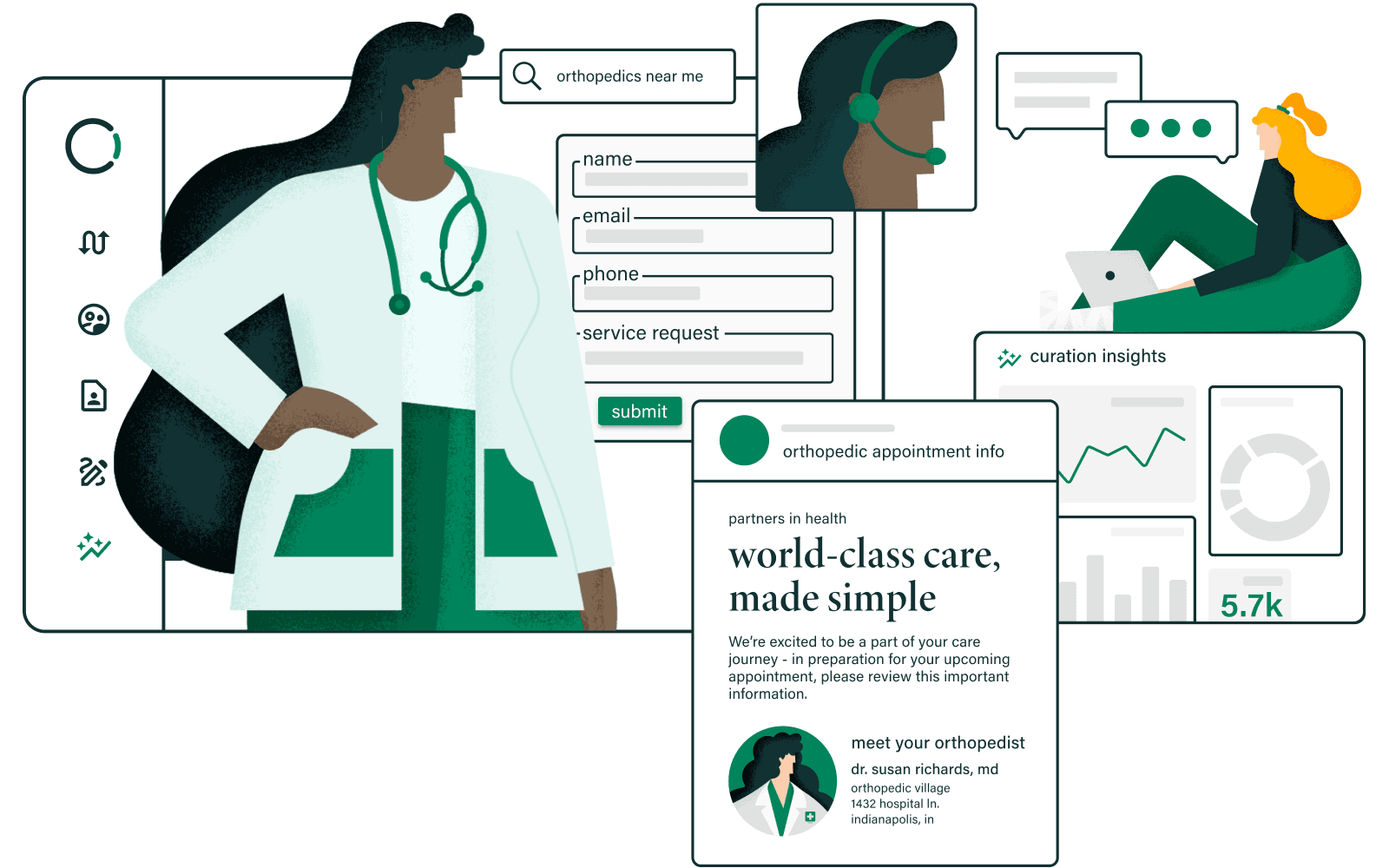 Hospital-Management
Healthcare CRM vs Generic CRM: Which Is Better?
Compare healthcare CRM vs generic CRM for patient acquisition in hospitals. Learn how the right CRM drives referrals, hospital growth strategy, and lead management.
Read article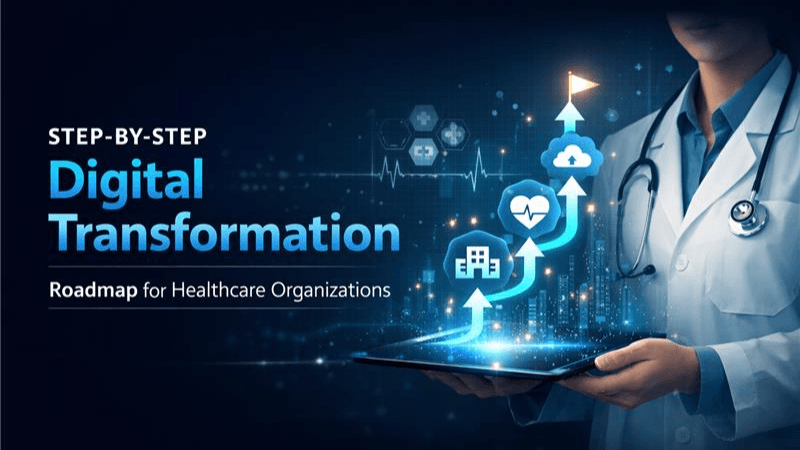 Hospital-Management
Digital Transformation Roadmap for Hospitals
Discover a step-by-step digital transformation roadmap for hospitals using hospital CRM and referral systems to improve patient acquisition, referral tracking, and revenue growth.
Read article Hospital-Management
Best Software for Hospital Outreach Management
Discover the best software for hospital outreach management, including medical referral systems and doctor referral networks. Learn features, frameworks, and strategies to increase referral conversion rates and hospital growth.
Read article